Product categories
Build stable categories around product type, material, application or process.
 TwoChairsTech中文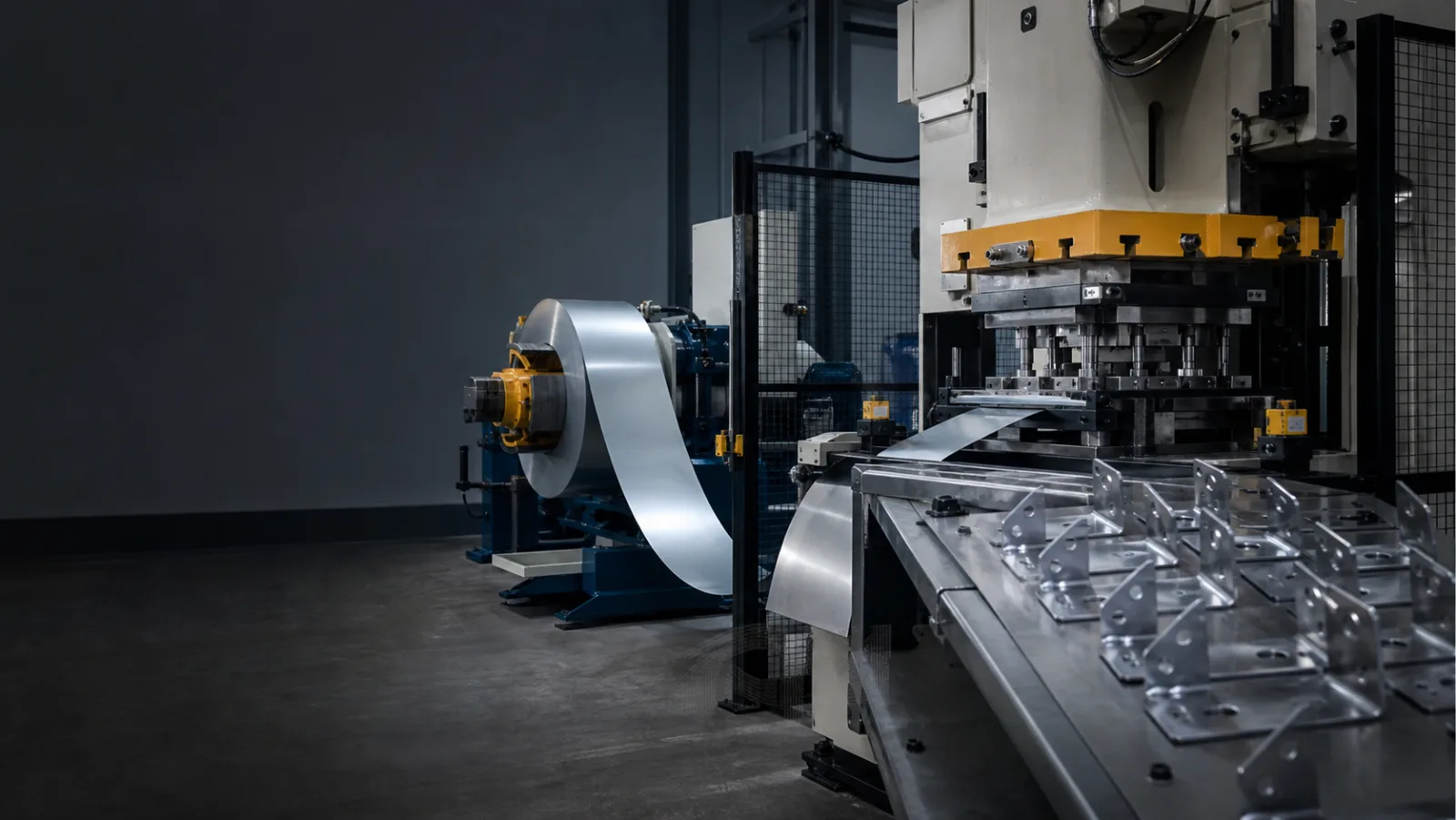
Hardware manufacturing
Hardware products often share similar appearances across many specification combinations. The website must structure materials, dimensions, finishes, processes and custom terms so buyers can judge whether to inquire.
Buyer perspective
Product pages should answer specification and supply questions directly.
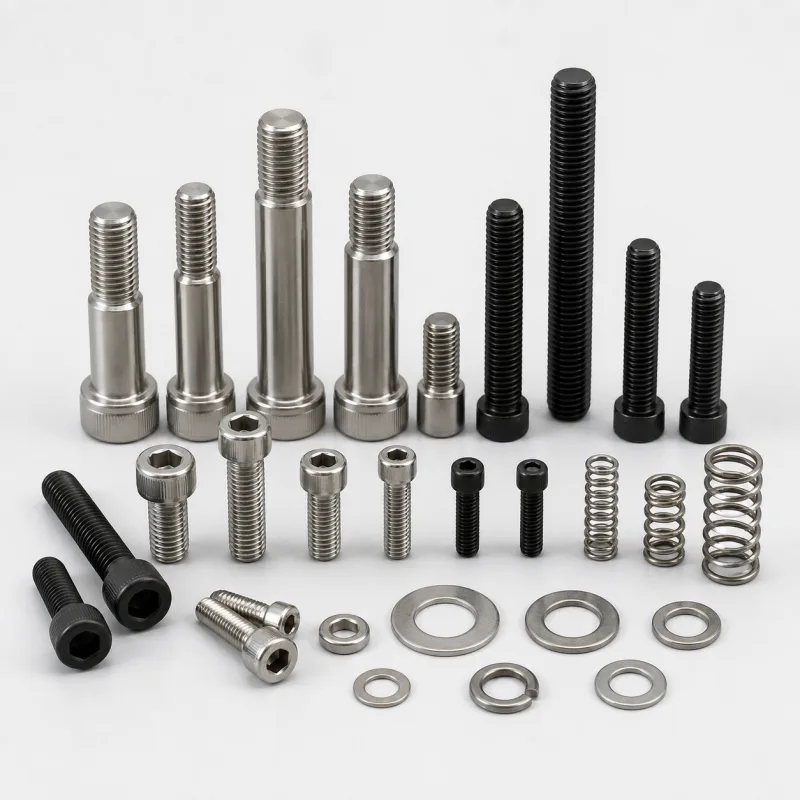
Product family demonstration
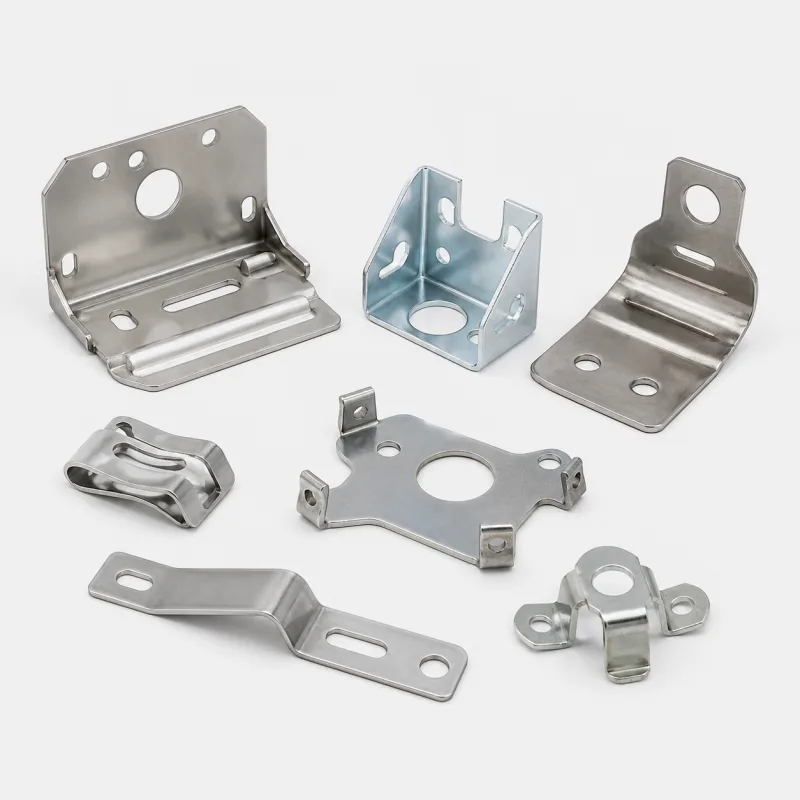
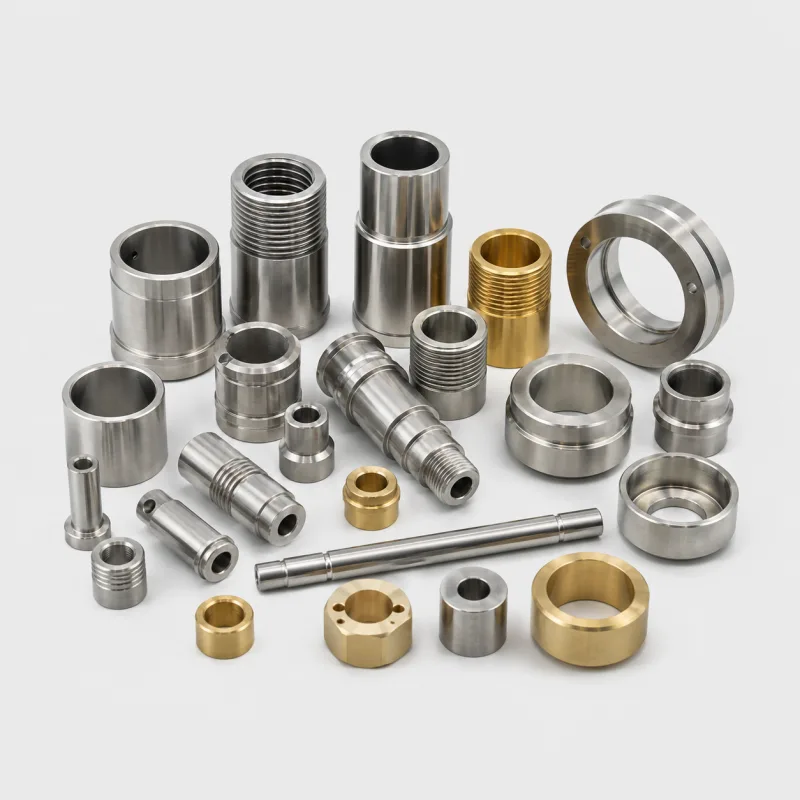
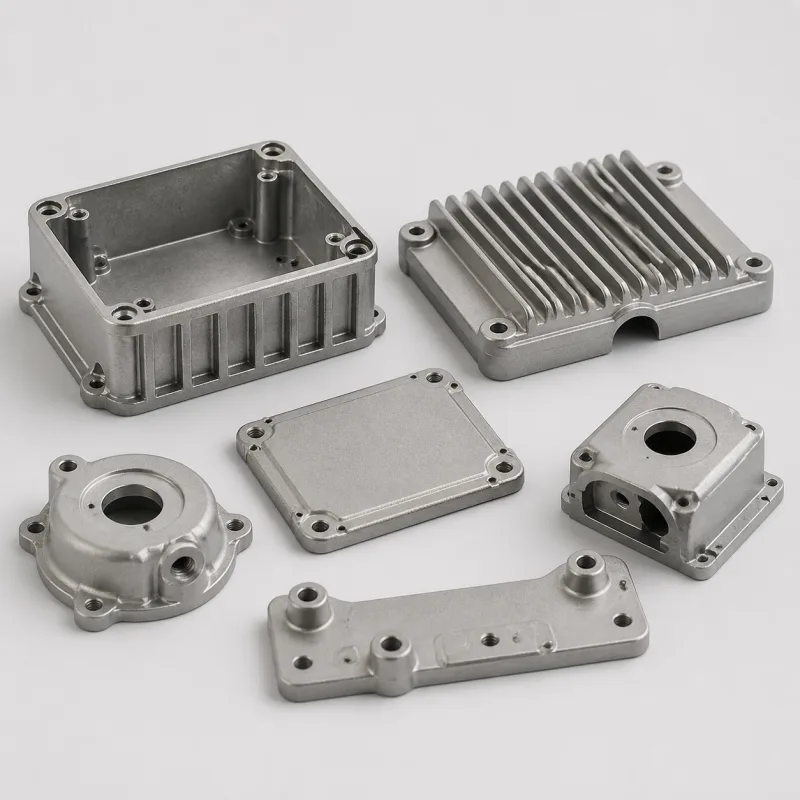
These AI-generated visuals demonstrate hardware website structure and do not represent real products, materials, tolerances, inventory or customer work.
Information architecture
Build stable categories around product type, material, application or process.
Structure dimensions, materials, finishes, tolerances and standards.
Use real equipment and workflows to explain stamping, machining, casting or finishing.
Let buyers provide drawings, material, quantities, standards and delivery requirements.
Present inspection, valid certifications, packaging options and export capabilities.
Build useful content around materials, processes, selection and purchasing questions.
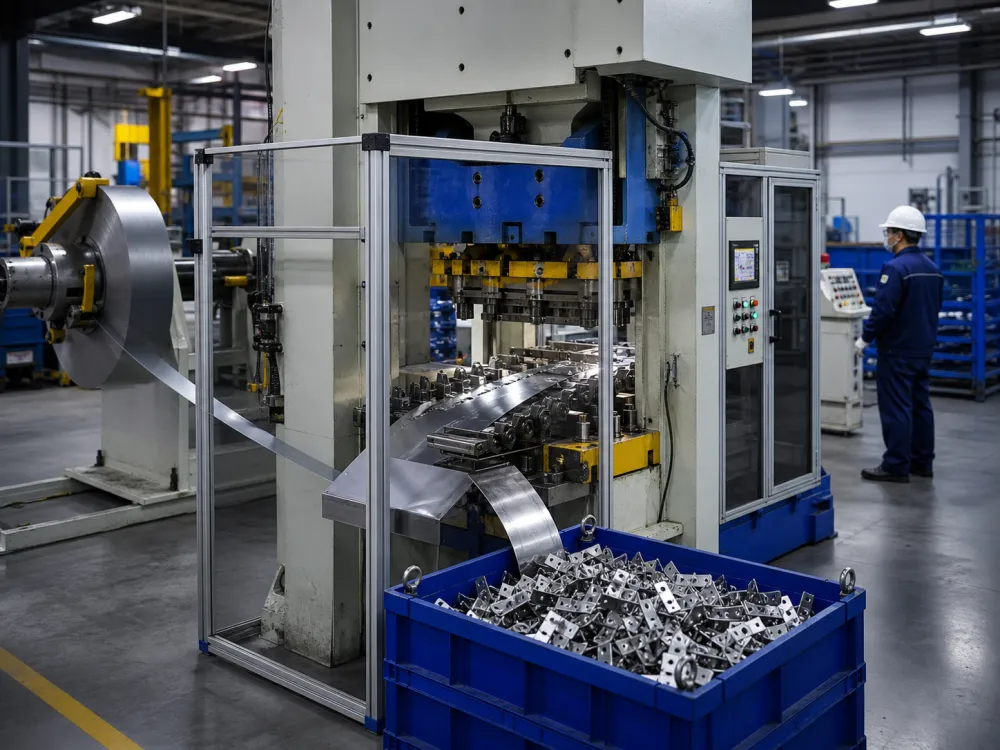
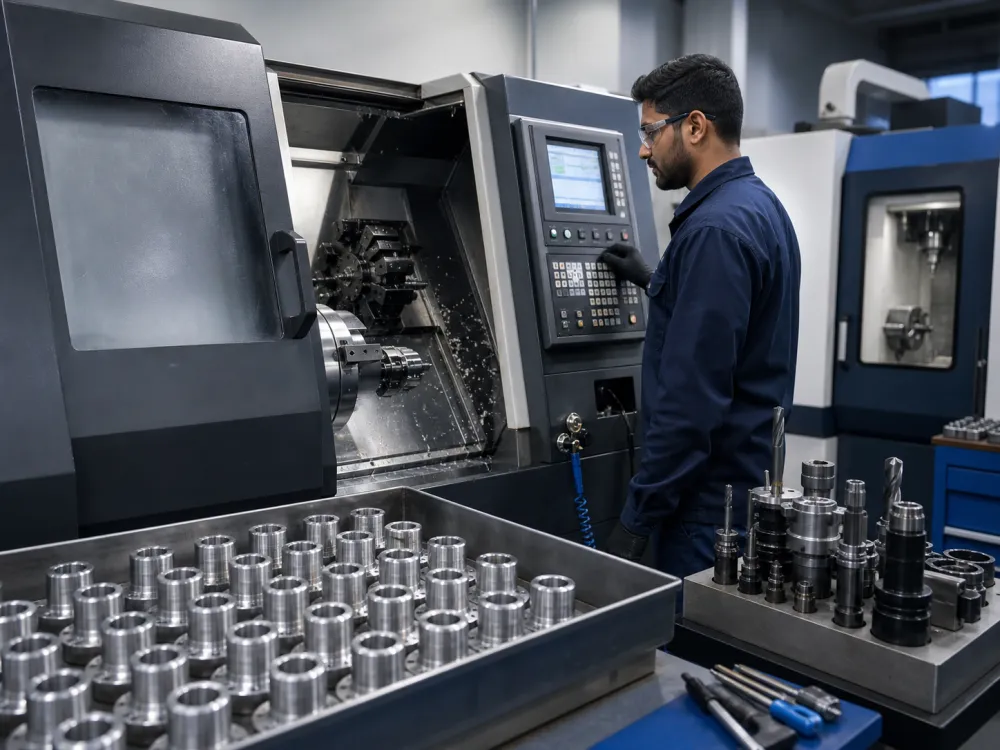
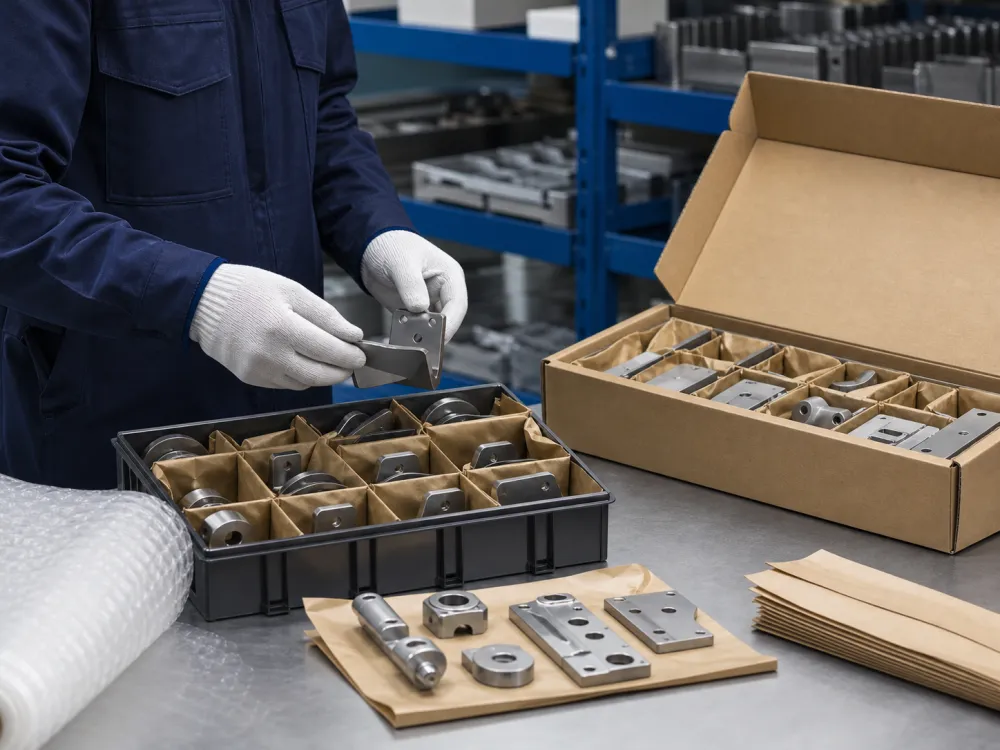
Process capability demonstration
These are AI demonstration visuals. A client website must replace them with photographs of its own equipment, processes, inspection and packaging.

Source material
FAQ
Not always. Choose variants, tables or separate pages based on search demand, meaningful differences and maintenance cost.
Yes, with a defined security model, size limits, access controls and retention period.
No. Explain that quotes depend on material, process, quantity and packaging, then collect those details through an RFQ.
Share your products, processes and number of specifications and we will suggest the category and detail structure.
Send project details